Phase 1: Building My Own Agentic Orchestration Layer
How I moved beyond basic AI automation to implement a real-world orchestration system for my bootstrapped products.
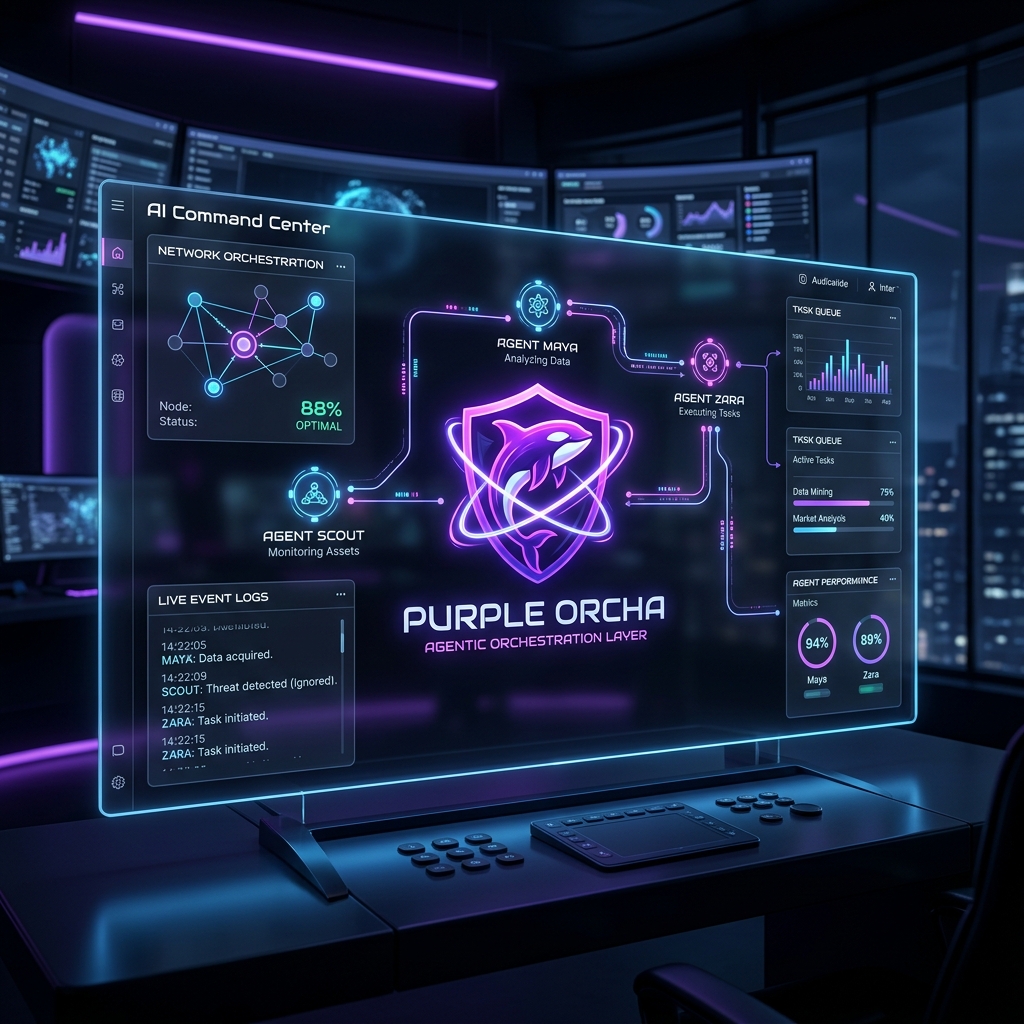
My goal was simple but challenging: move beyond basic AI automation and implement a real-world orchestration system to manage my own bootstrapped products, Product A and Product B.
Today, I’ve officially reached the end of Phase 1. The system is fully functional, the agents are at their posts, and I’m now moving into the observation phase—watching the performance data to see how this swarm actually behaves in the wild.
The Learning Curve: From Scratch to Swarm
I chose to build this using the Google Agent Development Kit (ADK) and Gemini. Being bootstrapped, I didn't want the bloat of a one-size-fits-all enterprise platform. I wanted something I could customize at the code level.
The core challenge I faced early on was "vibe coding"—that trap where you generate a lot of AI code that looks good but falls apart on edge cases or hallucinations. To vaccinate the system against this, I focused on stateful runners and deterministic tool-calling. I needed my agents to be grounded in reality, not just "vibes."
The Dashboard: Visualizing the Brain
To manage this swarm, I built a custom "Swarm OS" dashboard. It provides a single pane of glass into every agent's thought process, their last updated status, and the health of the overall system.
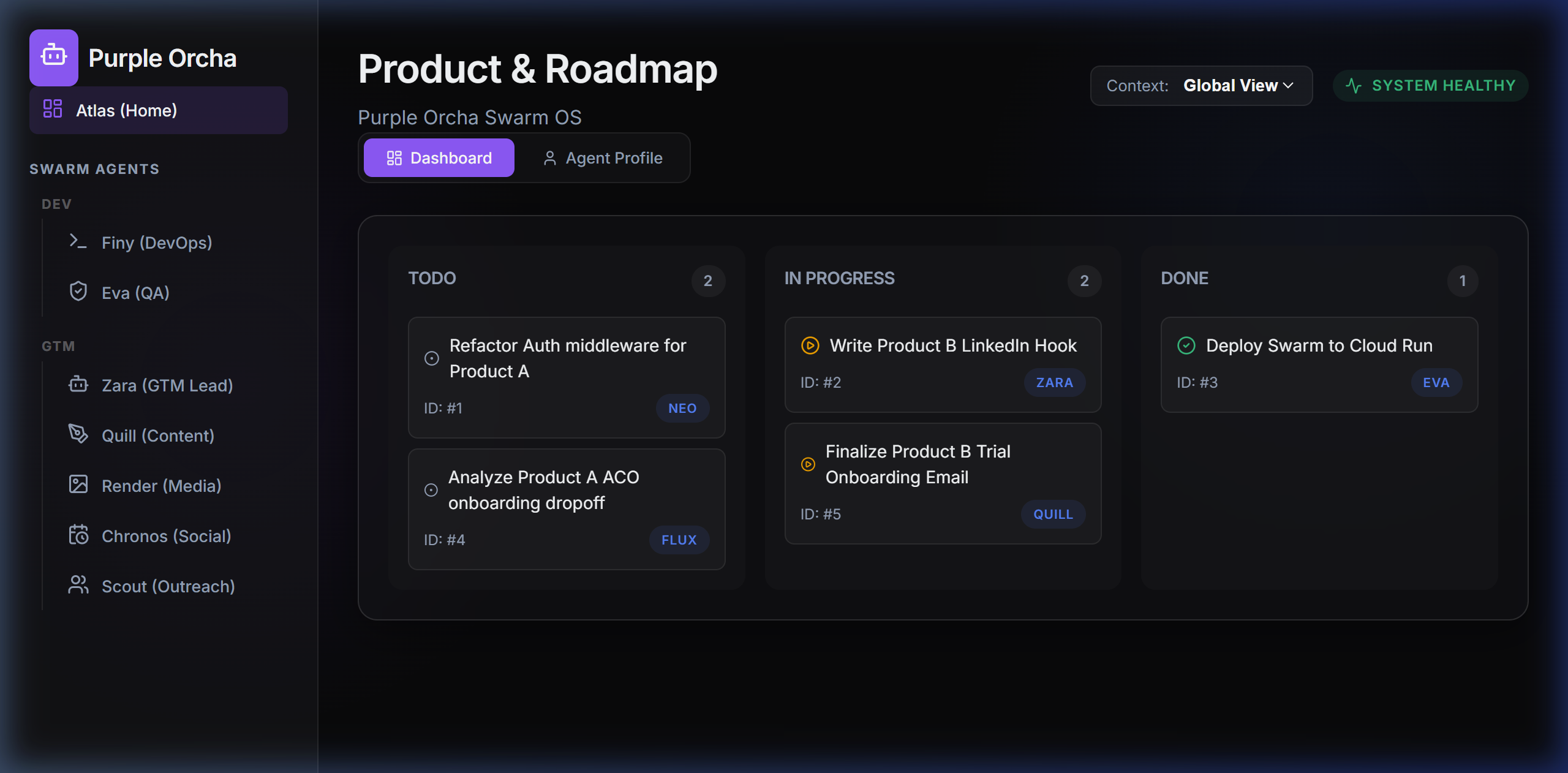
Figure 1: The Global View dashboard provides a unified task board and system health monitoring.
One of the most important features is the Context Switcher, which allows me to pivot the entire view between my different products instantly.
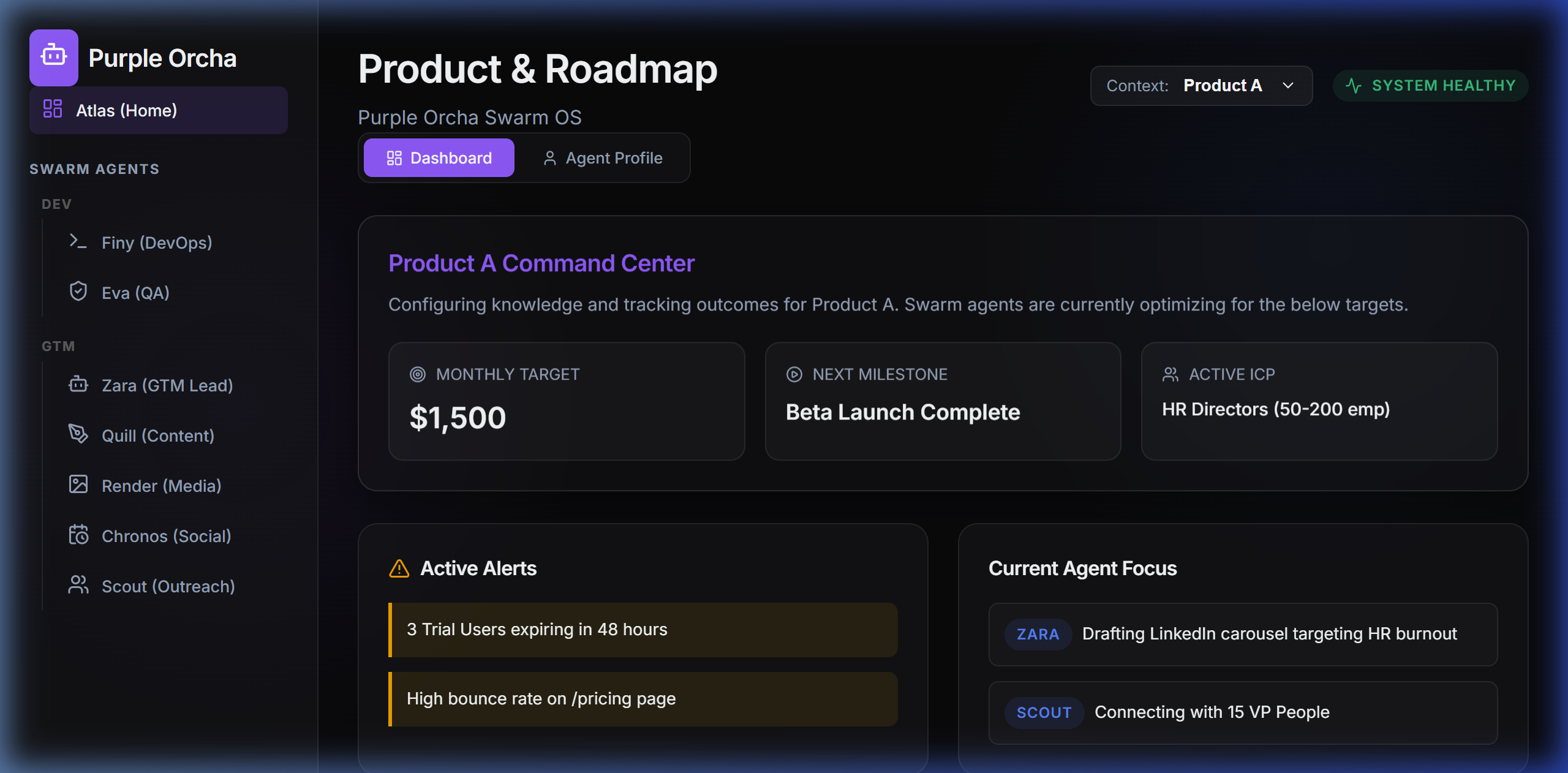
Figure 2: Switching context between Product A and Product B updates all agent logs and KPI metrics.
The Phase 1 Roster
I’ve organized the swarm into specialized personas. Each has a dedicated "Agent Profile" where I can monitor their expertise, tools, and reporting lines.
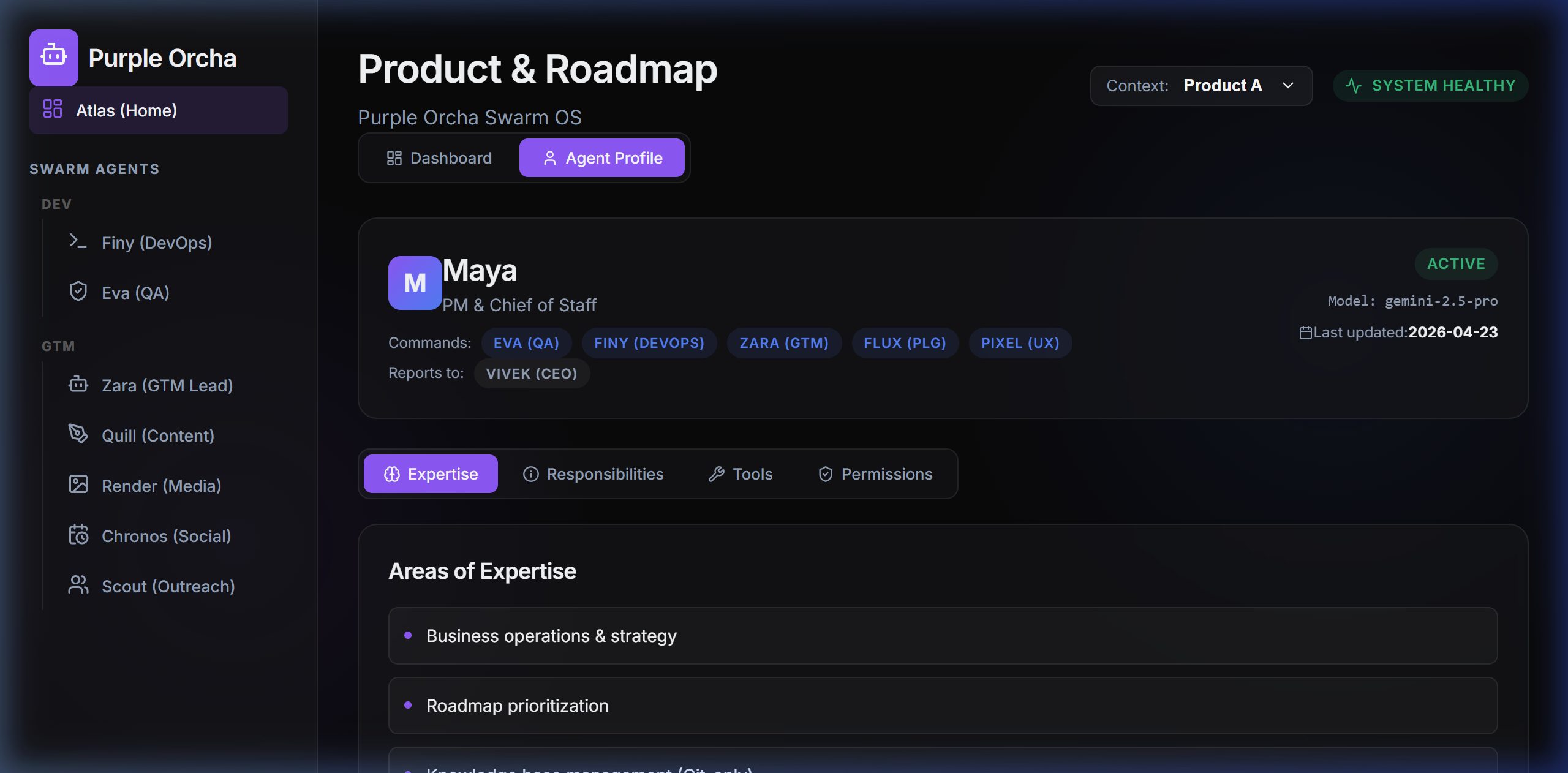
Figure 3: Detailed agent profiles define the boundaries, tools, and responsibilities for each persona.
- Maya (PM): My strategic partner. She keeps the high-level metrics in view and coordinates the rest of the team.
- Eva (Sentinel): The DevOps guardian. She’s responsible for the health of my production surfaces.
- Zara (GTM Lead): She extracts market signals and turns them into content strategy.
- Scout (Outreach): Handles the SDR work on LinkedIn, focused on quality and platform compliance.
- Finy (Infrastructure): Keeps a constant eye on our token burn and infrastructure costs.
Swarm Architecture
graph TD
    V[Vivek - Fractional Manager] --> M[Maya - PM]

    subgraph "Dev Operations"
        M --> DEV[Development]
        DEV --> E[Eva - Sentinel]
        DEV --> F[Finy - Infrastructure]
    end

    subgraph "GTM Operations"
        M --> GTM[GTM Strategy]
        GTM --> Z[Zara - GTM Lead]
        GTM --> S[Scout - Outreach]
    end
Recent Breakthroughs: MCP, Telegram, and Voice
As I wrapped up Phase 1, a few key integrations really brought the system to life:
1. WebMCP (Added at the tail end)
I recently integrated the Model Context Protocol (MCP) via a custom WebMCP scraper. This was a turning point for signal extraction. Instead of Zara "guessing" what’s happening in the market, she can now pull structured data directly from the web to inform her GTM decisions.
2. Telegram as the "Ops Center"
I moved the operational interface to Telegram. It serves two purposes: security (via OTP access) and on-the-go command. I can dump raw knowledge from my phone directly into the swarm’s brain or receive a health alert from Eva while I’m away from my desk.
3. Voice (The Next Frontier)
I’ve started experimenting with the Google Android Toolkit to bring voice control to the swarm. It’s definitely a work in progress and needs a lot more work before it’s seamless, but the ability to talk to my PM is the direction I’m heading in for Phase 2.
What’s Next?
Phase 1 was about the build. Phase 2 is about the data.
The orchestration layer is live. The "vaccinations" against code bloat and hallucinations are in place. Now, I’m watching the telemetry. I’m monitoring the token surplus for my IDE and the performance signals from the market.
Let's Build Together
If you are an early-stage founder or business leader looking for orchestration, I would be happy to chat, share my learnings, and help you deploy your own swarm.
Get in Touch